Vasanth Nagar, Bengaluru Mon–Sat · 9:30 am – 7:00 pm

Bengaluru's top engineering colleges

Six institutions we know street by street and department by department. Each guide covers admission routes, branches, indicative cutoffs, fees and an honest note on who the college suits.

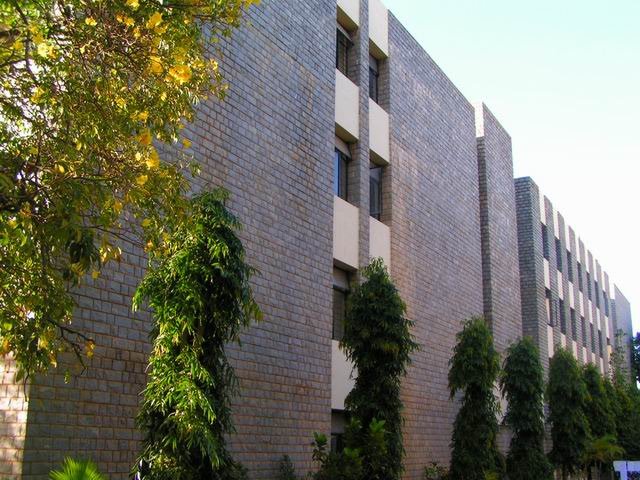
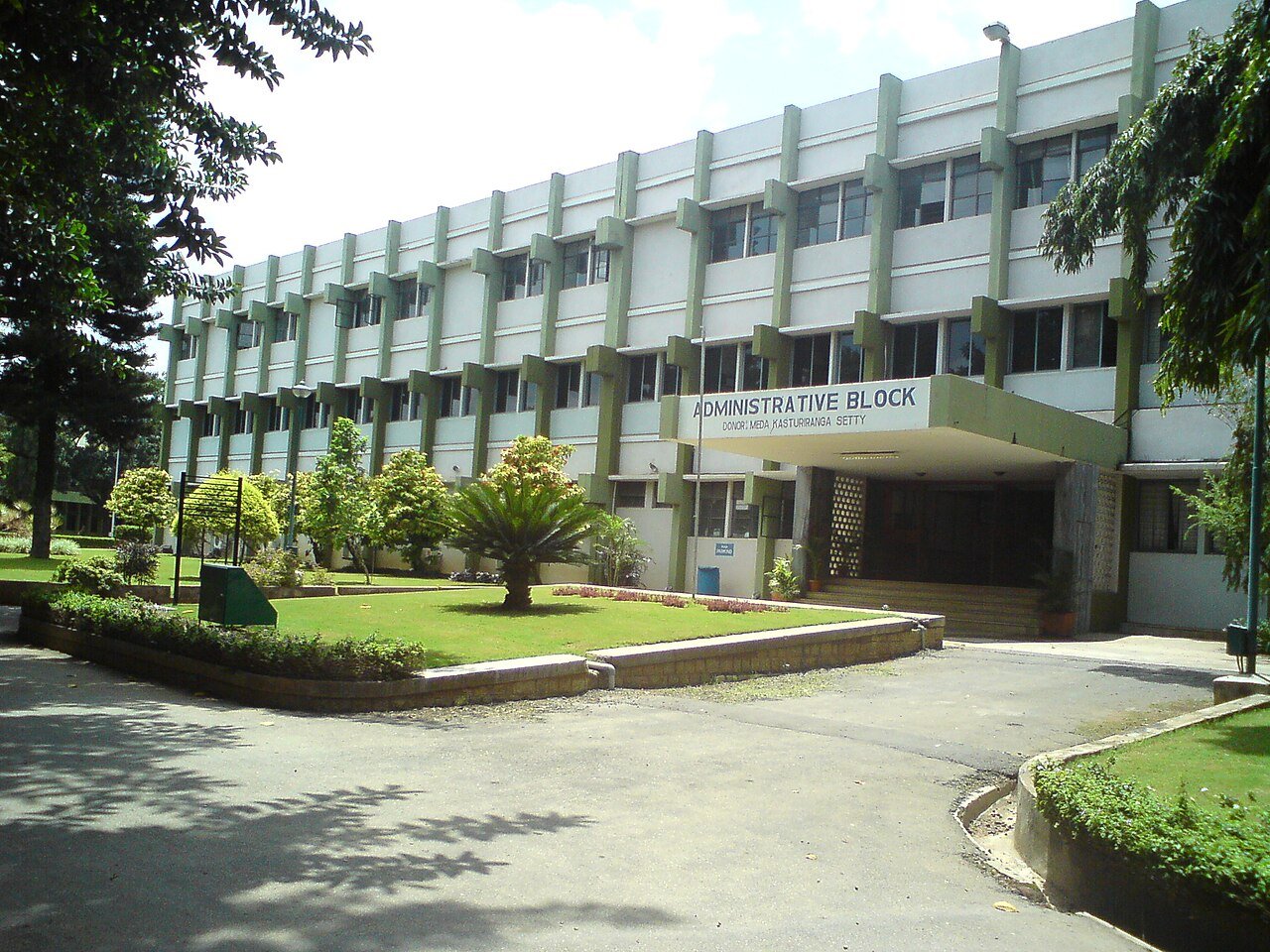
The administration block at R.V. College of Engineering, Bengaluru RVCE R.V. College of Engineering Mysore Road · Est. 1963

Run by the Rashtreeya Sikshana Samithi Trust and widely regarded as the strongest private engineering college in Karnataka. A large green campus, serious research output and the toughest cutoffs in the state.

  • StatusAutonomous, VTU
  • RoutesKCET · COMEDK
  • CSE band~500–900
View college guide
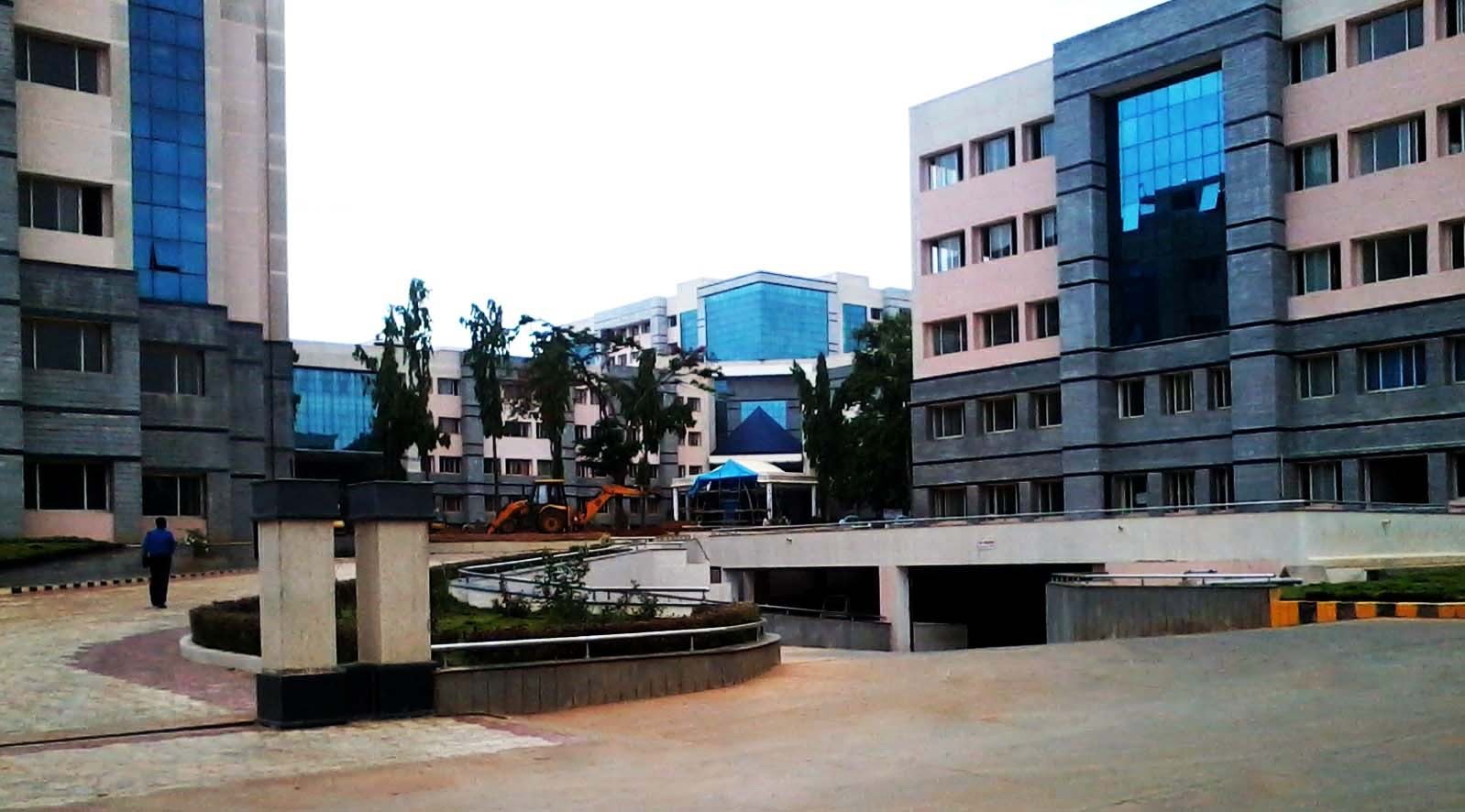
The Mechanical, Architecture and IEM building at B.M.S. College of Engineering, Bengaluru BMSCE B.M.S. College of Engineering Basavanagudi · Est. 1946

India's first private engineering college, founded before independence. Compact city campus in Basavanagudi, deeply established alumni network, and a reputation that carries weight well outside Karnataka.

  • StatusAutonomous, VTU
  • RoutesKCET · COMEDK
  • CSE band~1,200–2,000
View college guide
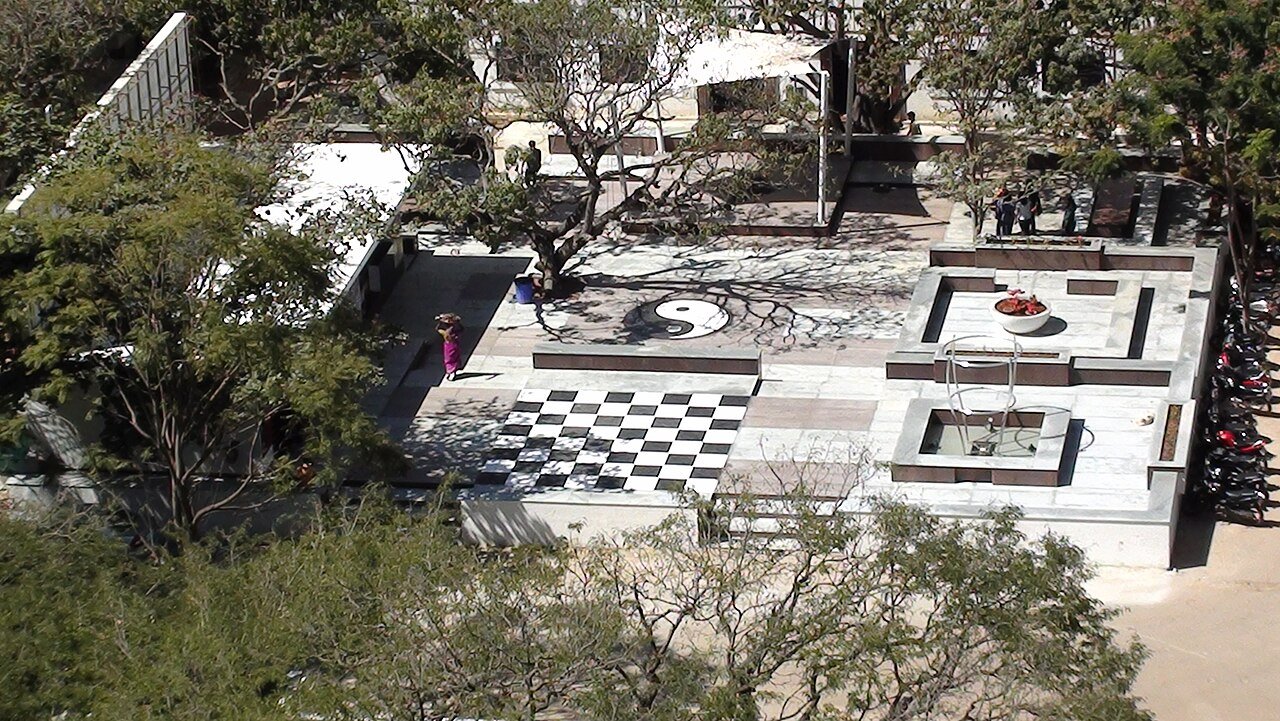
M.S. Ramaiah Institute of Technology, Bengaluru, viewed from the front gate MSRIT M.S. Ramaiah Institute of Technology MSR Nagar · Est. 1962

Part of the Gokula Education Foundation campus in north Bengaluru. Excellent laboratories, strong core-engineering departments and one of the most consistent placement records in the city.

  • StatusAutonomous, VTU
  • RoutesKCET · COMEDK
  • CSE band~1,800–2,800
View college guide
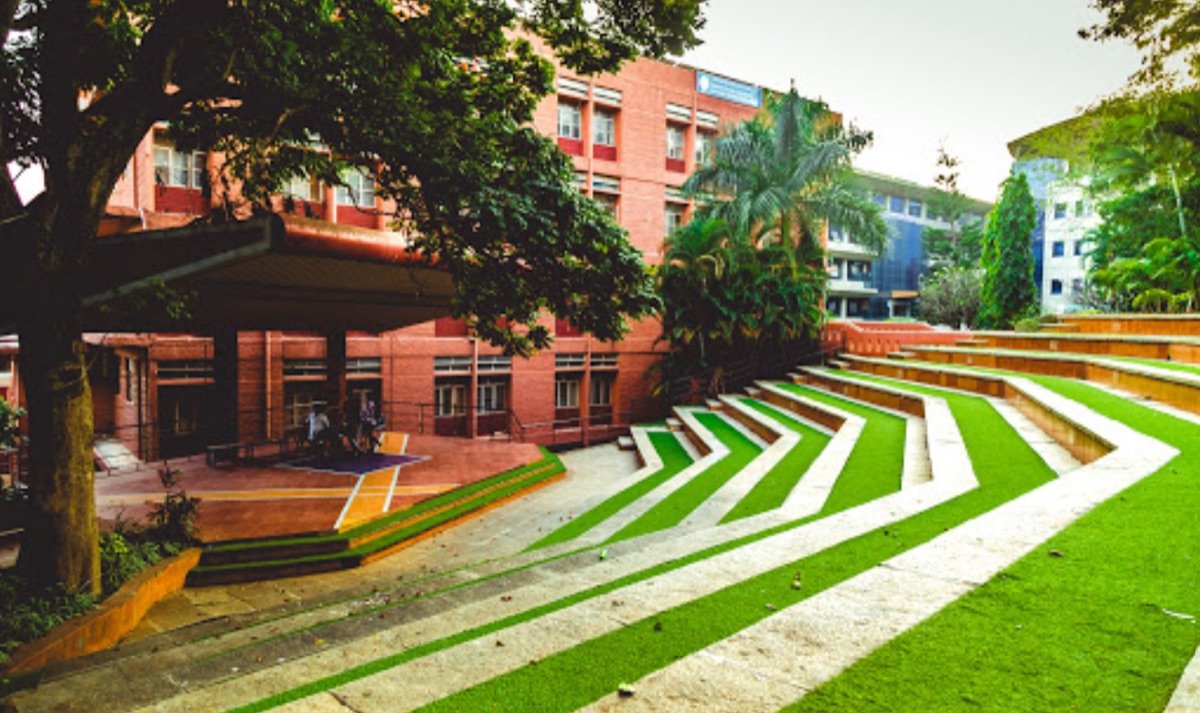
The PES campus on Ring Road, Banashankari, Bengaluru PESU PES University Banashankari · Est. 1972

A private university with its own degree-granting powers and its own entrance test, PESSAT. Strong computer science culture, active student clubs, and a campus that feels closer to a university than a college.

  • StatusPrivate university
  • RoutesPESSAT · KCET · COMEDK
  • CSE band~800–1,500
View college guide
The Dayananda Sagar College of Engineering campus, Kumaraswamy Layout, Bengaluru DSCE Dayananda Sagar College of Engineering Kumaraswamy Layout · Est. 1979

A large campus in south Bengaluru with a broad spread of branches and generous intake. A realistic and well-regarded target for students in the mid rank bands who want a full-featured city campus.

  • StatusAutonomous, VTU
  • RoutesKCET · COMEDK
  • CSE band~5,000–8,000
View college guide
BIT Bangalore Institute of Technology V.V. Puram · Est. 1979

Run by the Rajya Vokkaligara Sangha, in the middle of old Bengaluru. Small, focused, unusually well-connected locally, and comfortably the best-value option on this list for its rank band.

  • StatusAutonomous, VTU
  • RoutesKCET · COMEDK
  • CSE band~4,000–7,000
View college guide
Side by side

The six, compared

A quick orientation before you read the individual guides. Every number below is indicative — read the note underneath before you plan around it.

Indicative comparison — Karnataka general merit, recent admission cycles
College Established Location KCET CSE band Main routes
RVCE 1963 Mysore Road ~500 – 900 KCET, COMEDK
PES University 1972 Banashankari ~800 – 1,500 PESSAT, KCET, COMEDK
BMSCE 1946 Basavanagudi ~1,200 – 2,000 KCET, COMEDK
MSRIT 1962 MSR Nagar ~1,800 – 2,800 KCET, COMEDK
BIT 1979 V.V. Puram ~4,000 – 7,000 KCET, COMEDK
DSCE 1979 Kumaraswamy Layout ~5,000 – 8,000 KCET, COMEDK

How to read these bands. They are approximate ranges for Computer Science under Karnataka general merit across recent cycles, offered only to show relative difficulty. Actual closing ranks shift every year with seat matrix, applicant volume and round — and differ substantially by category, by branch and between round one and mop-up. Reserved-category and rural or Kannada-medium closing ranks are frequently much higher. Never finalise an option list from a table like this. Confirm current figures on the KEA and COMEDK websites, or ask us for the full category-wise breakdown for your rank.

Getting in

The four ways into a Bengaluru engineering seat

Almost every admission you will hear about runs through one of these. Knowing which ones you are eligible for is the first real decision of the season.

KCET — Karnataka CET

Conducted by the Karnataka Examinations Authority for government-quota seats across state colleges. Open to candidates who satisfy Karnataka eligibility rules — which usually means schooling in the state, or a qualifying clause covering your parents' domicile or service. Fees on these seats are set by the government and are by far the lowest available.

Best for: Karnataka-eligible students, at every rank band.

COMEDK UGET

A separate entrance test run by a consortium of private colleges, with its own counselling. It is open to students from any state, which makes it the primary route for candidates who cannot claim Karnataka eligibility. Fees are higher than the government quota but well below management quota.

Best for: Out-of-state students, and Karnataka students wanting a second shot.

Institution-specific tests

Some institutions with university status run their own entrance test and admit directly against it. PESSAT, for PES University, is the example on this list. These tests have their own calendars, their own application windows and their own fee structures, and they are easy to miss if you are only watching the state calendar.

Best for: Students targeting one specific university.

Management quota

Seats filled directly by the institution at a substantially higher fee. Legitimate when handled openly by the college's own admission office against a published fee and a proper receipt. Treat any intermediary offering a "confirmed seat" for a cash payment as a warning sign — we will not facilitate such arrangements, and neither should anyone advising you.

Best for: Families who have weighed the cost and decided it is worth it.

Not sure which apply to you? Eligibility clauses in Karnataka are genuinely intricate — Kannada-medium study, rural schooling, Article 371(J) Hyderabad-Karnataka reservation, parental domicile and defence or government service all create separate paths. A thirty-minute call is usually enough to establish exactly which routes are open to you. Book one free of charge.

Tell us your rank. We'll tell you your realistic list.

A free written shortlist, banded into safe, likely and stretch, using three years of category-wise closing-rank data.